] ] }

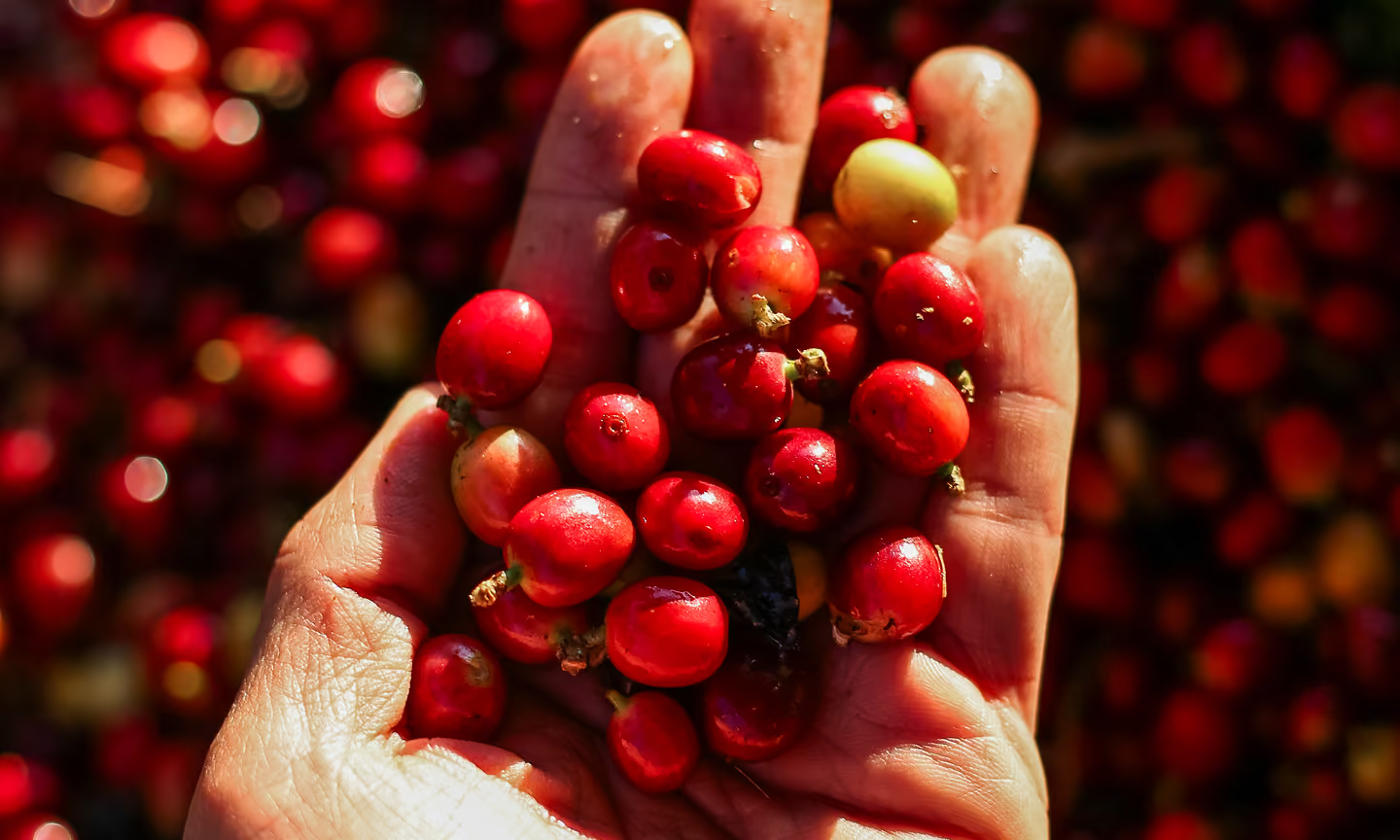
Coffee grows here.
So does everything we believe in.

How we source, who we work with, and what we do with what's left over.

How we think about sustainability

To us, it’s the way we source, the partners we choose, the fair prices we pay. Real relationships, honestly run — that’s the standards we hold ourselves to.

Harvesting sustainability, together

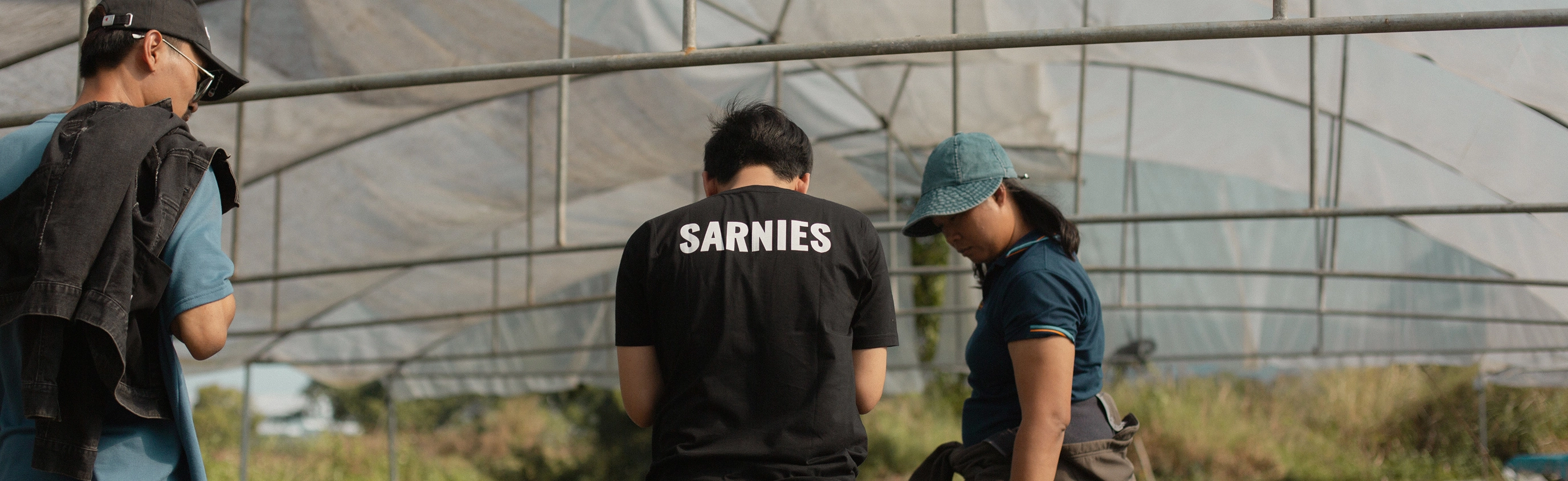
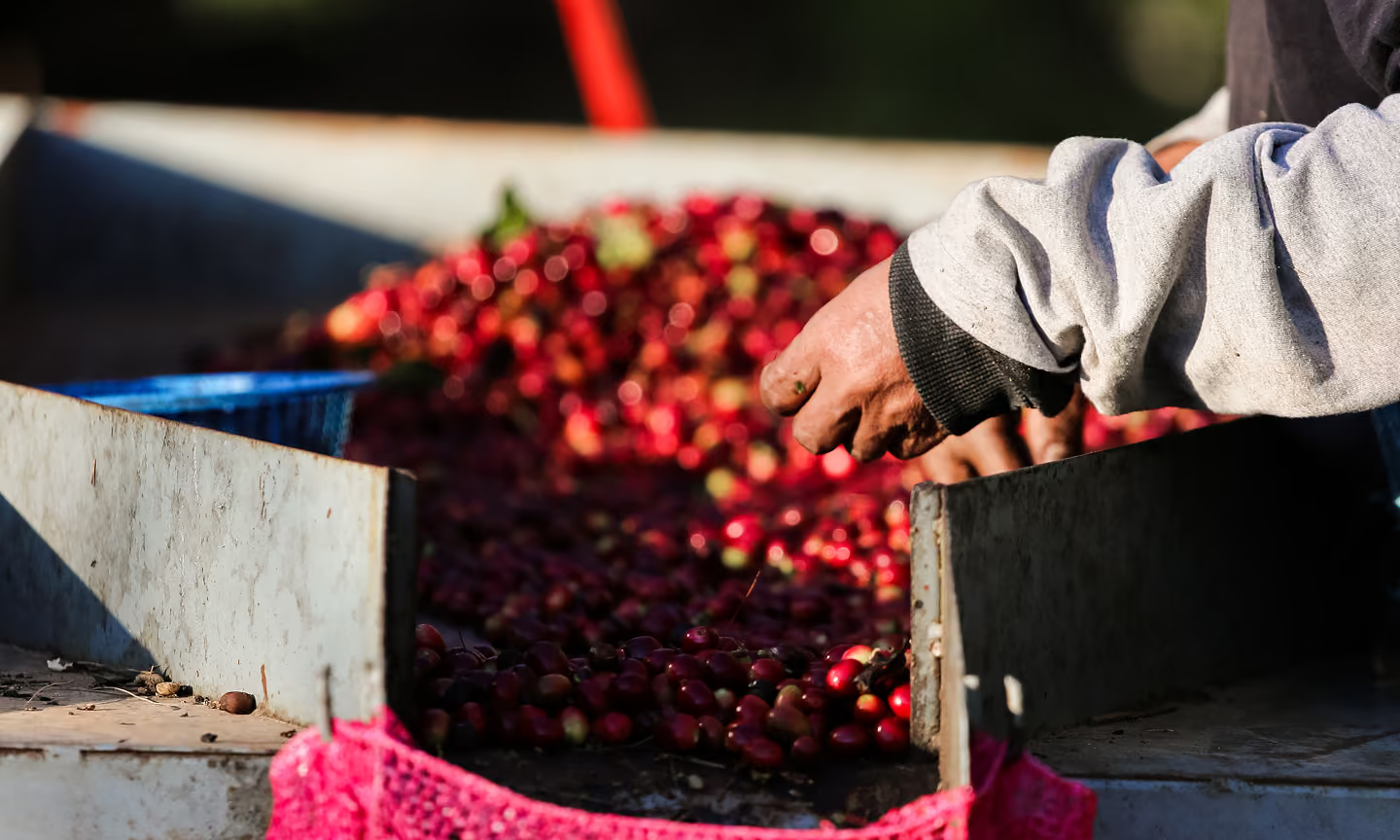
Our relationships with Thai coffee farmers are built on visits, fair pricing, and genuine reinvestment. We visit the farms to understand what’s needed and invest in ways that matter.
A Village that changed its mind

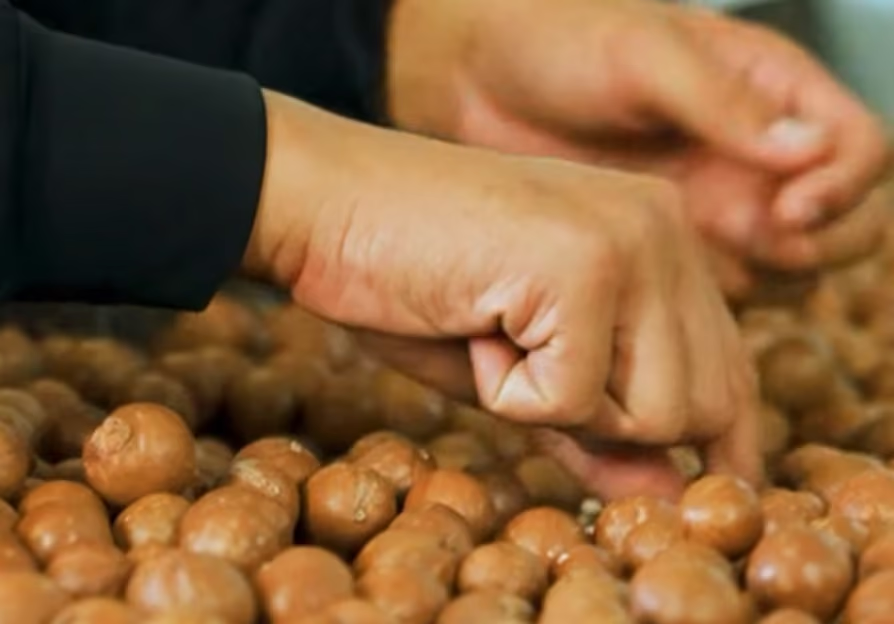
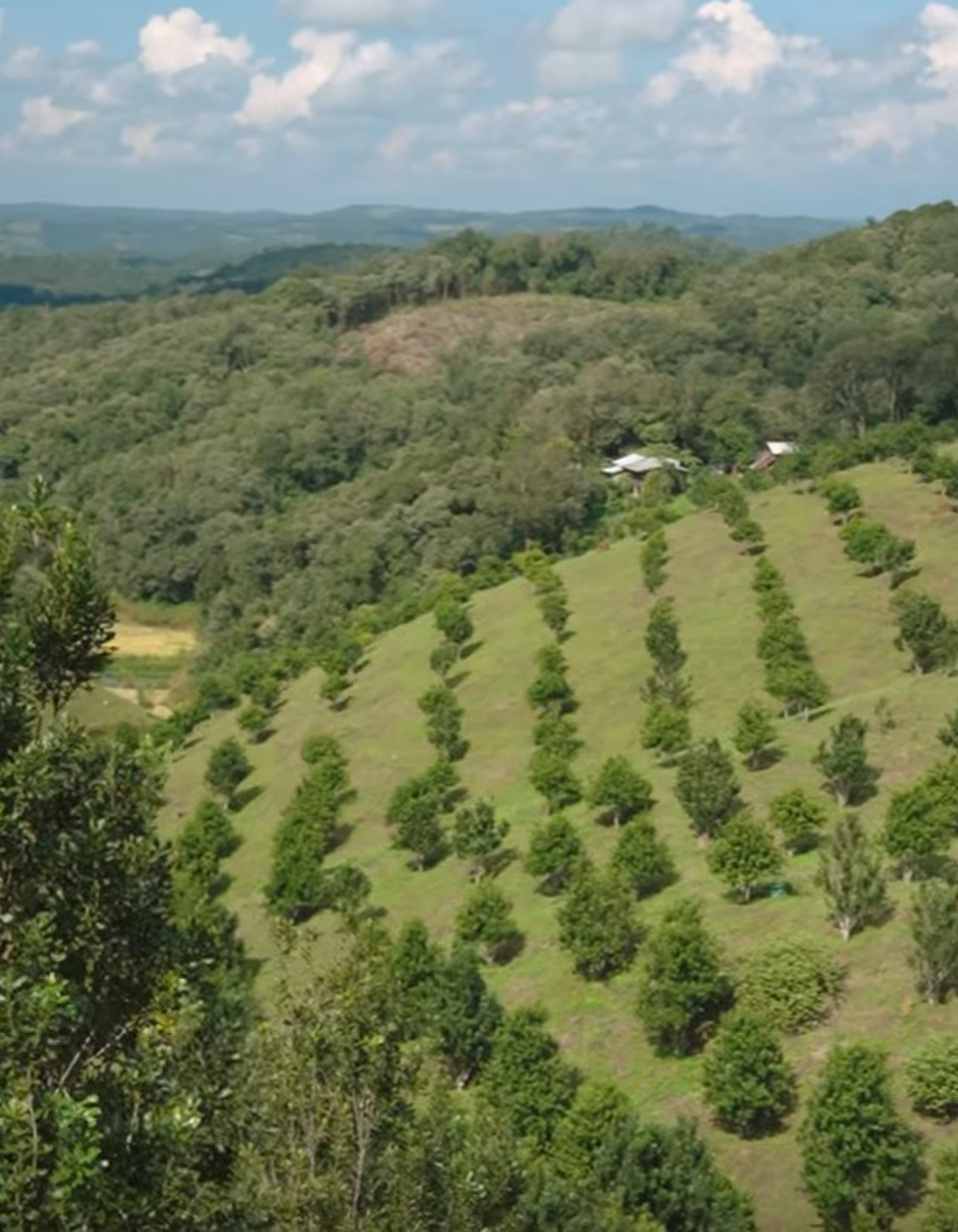
26 years ago, a small Karen community in the highlands of Om Koi made a decision that most of their neighbours questioned. They stopped farming tomatoes and planted trees instead. You cannot eat a macadamia tree, and the first real harvest is years away. For families living season to season, that kind of patience is a lot to ask.
But they asked it of themselves anyway.
Where it started
The land around Mae Tom village had worked hard. Tomatoes, chillies, cabbage — crops that paid something in a good week but stripped the soil, demanded heavy chemical inputs, and left families exposed to a single bad market. Many were trapped in a cycle of debt and exhausted land, season after season with nothing to show for it.
The shift to permanent trees didn't happen overnight, and it wasn't imposed from outside. The villagers were sceptical at first. It was only when a neighbouring farm reached steady, profitable yields while the tomato plots stayed in debt that families began to change their minds, one by one, at their own pace, following the evidence in front of them. The cold highland climate is the real edge. It produces large, plump, sweet macadamia kernels that lower, hotter farms simply cannot match. That is how real change happens.
Read more about Om Koi
‎ ↗
Satum Farm, Thong Pha Phoom, Kanchanaburi

Direct trade, built in from the start

A direct trade model with community impact built in from the start. Purchases from our Kanchanaburi single-origin coffee link directly to farm development — above-market pricing that funds equipment, tree planting, and improved living standards for farmers’ families.
Soil, Water, Heart, Worker
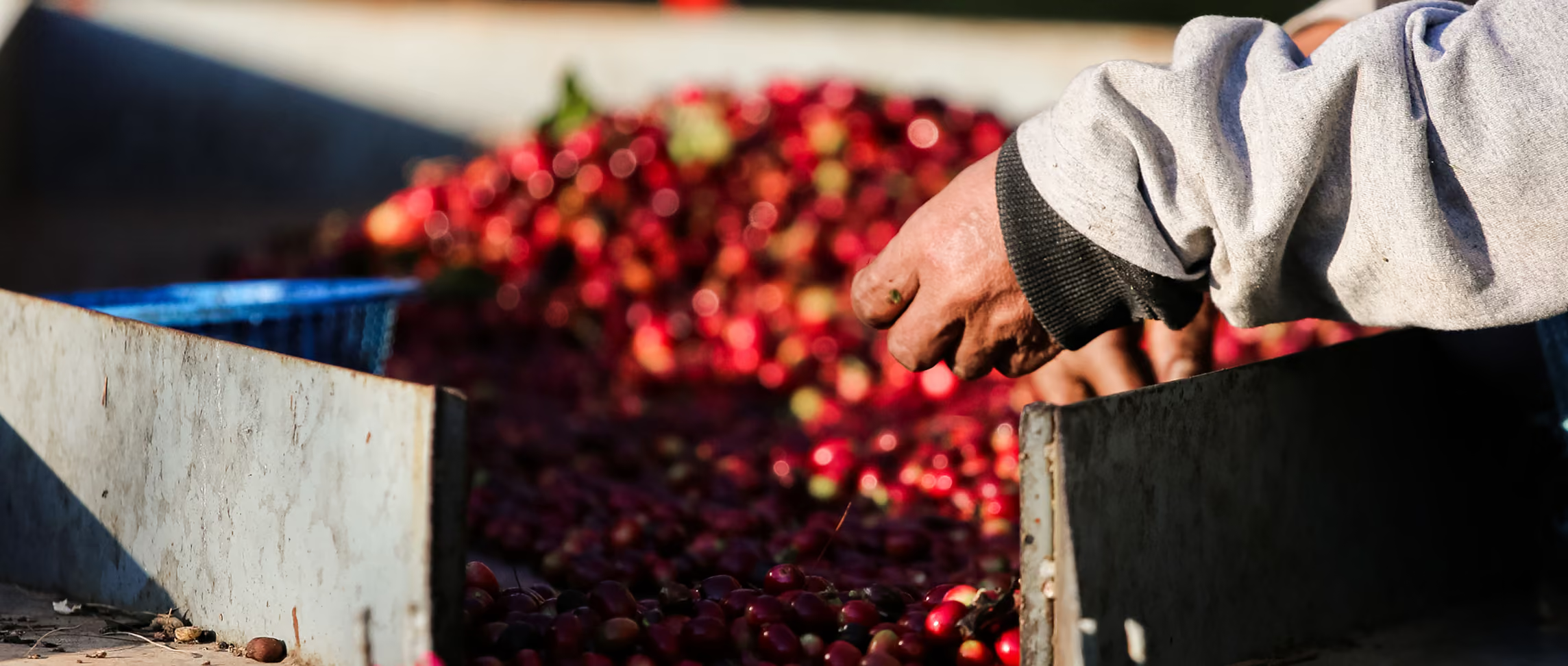
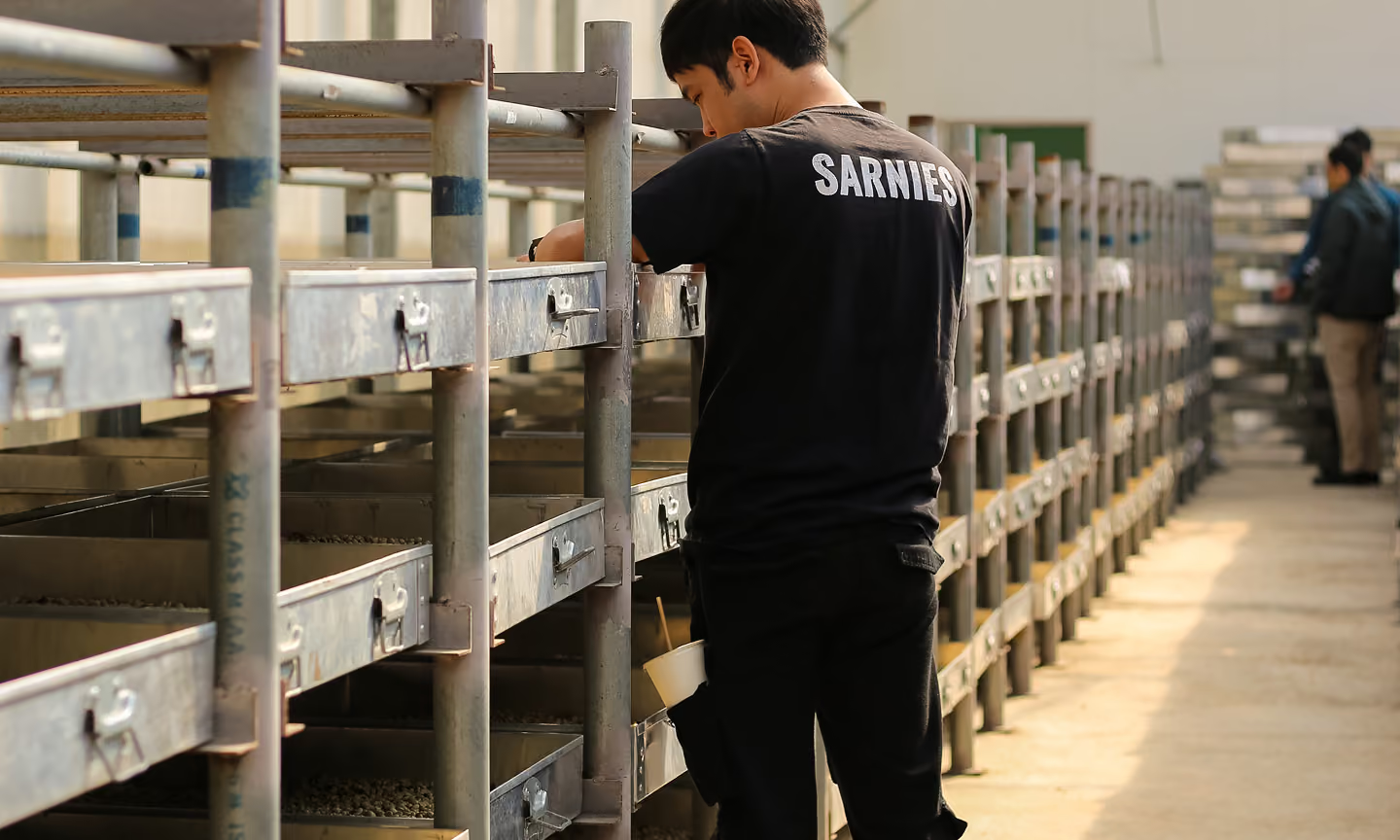
We've been working with Pakphoom at Rai Satum since 2024 — buying around 10 tonnes of green coffee a year, direct from the farm, which covers essentially all of our Thai Fine Robusta. Beyond purchasing, we work together on post-harvest processing, refining how the coffee is handled so quality and price keep improving on both sides.

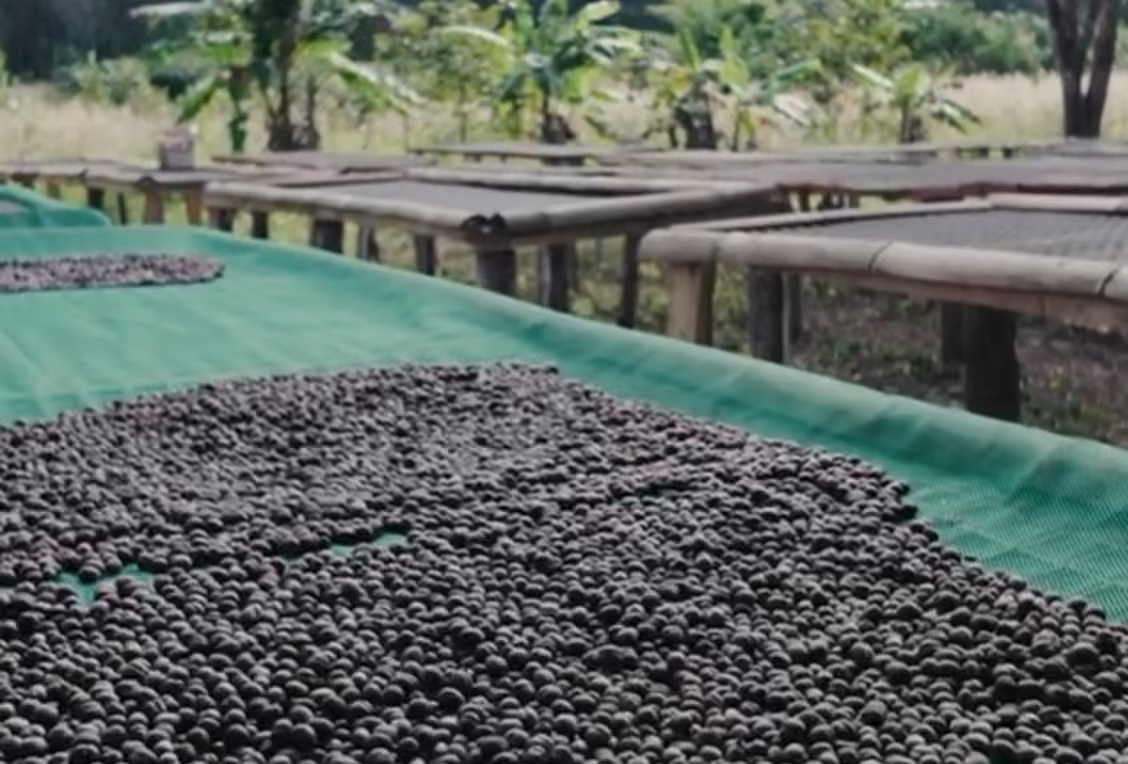
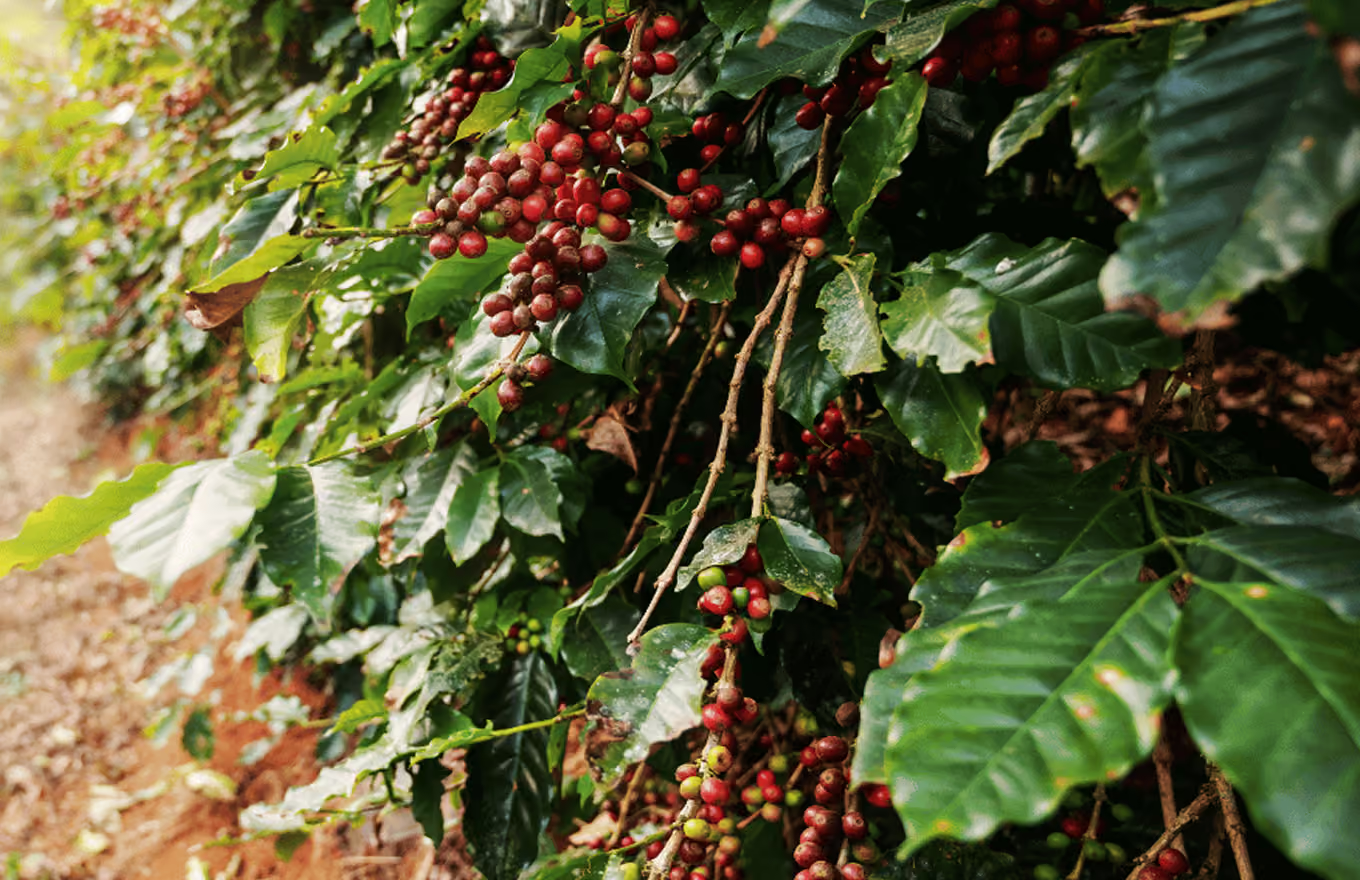
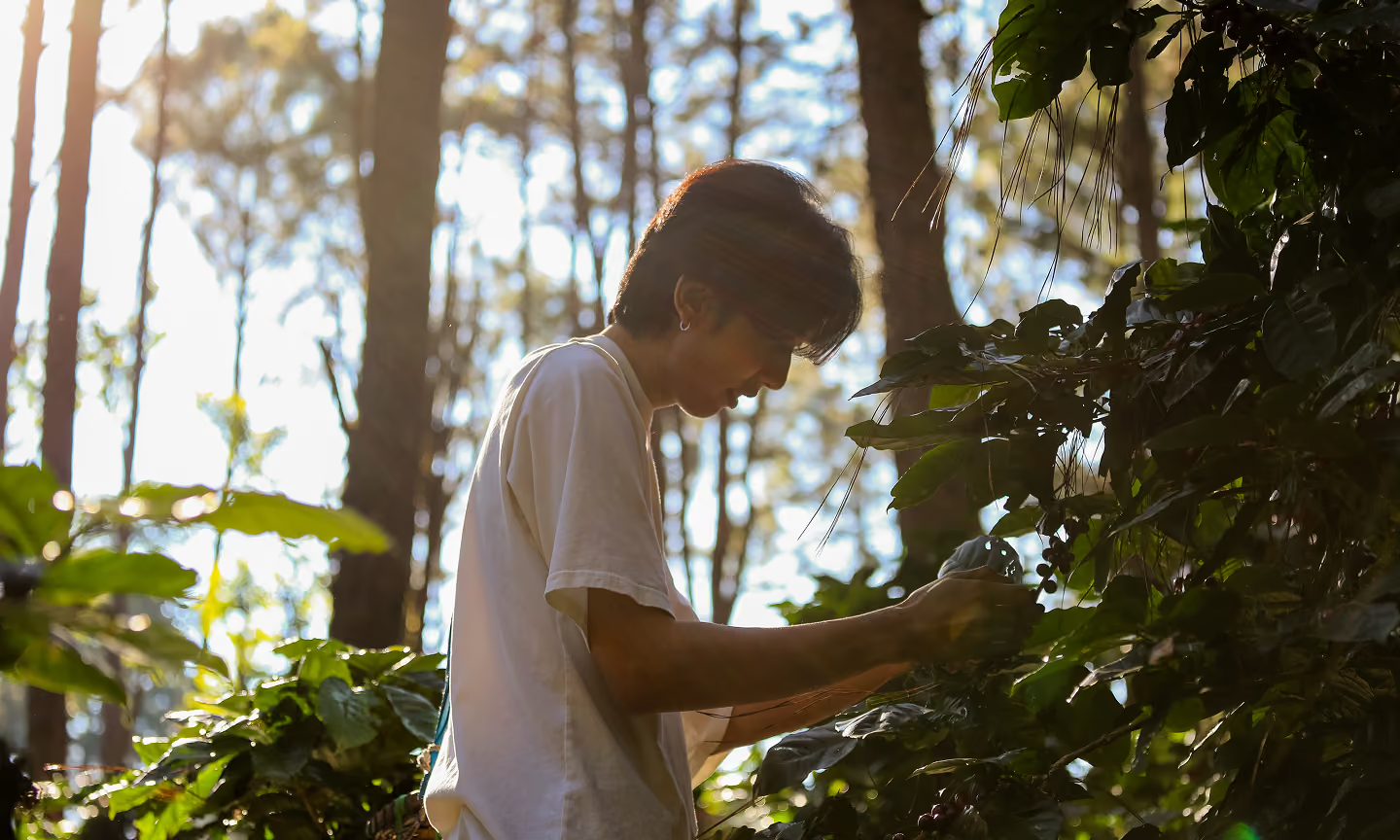
The farm runs on four pillars Pakphoom calls Soil, Water, Heart, and Worker. Shade-grown coffee within a multi-layer forest structure, organic inputs, circular composting, and integrated crops like avocado and durian that spread risk and provide year-round income. More of the value stays at origin, with the farm processing its own produce on-site. But the part we're proudest of is simpler than any of that: stable, direct purchasing means the people who work this land don't have to leave their families and move to the city to make a living.
Read more about Satum Farm
‎ ↗

Working with people who share the same values

Mivana Reforestation Programme

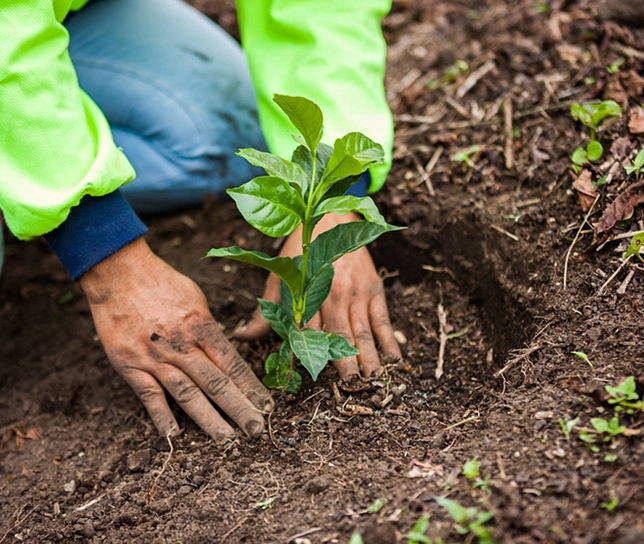
Seven cups of coffee, one tree. Every espresso shot pulled across our group counts toward reforestation in Chiang Mai through MiVana's planting programme. Between June and December 2026, we’ve helped plant 17,714 trees.

‍

We extend the same programme to our wholesale hotel partners, so the coffee they serve their guests counts exactly the way ours does. It's the most direct route we've found to take this past our own walls.
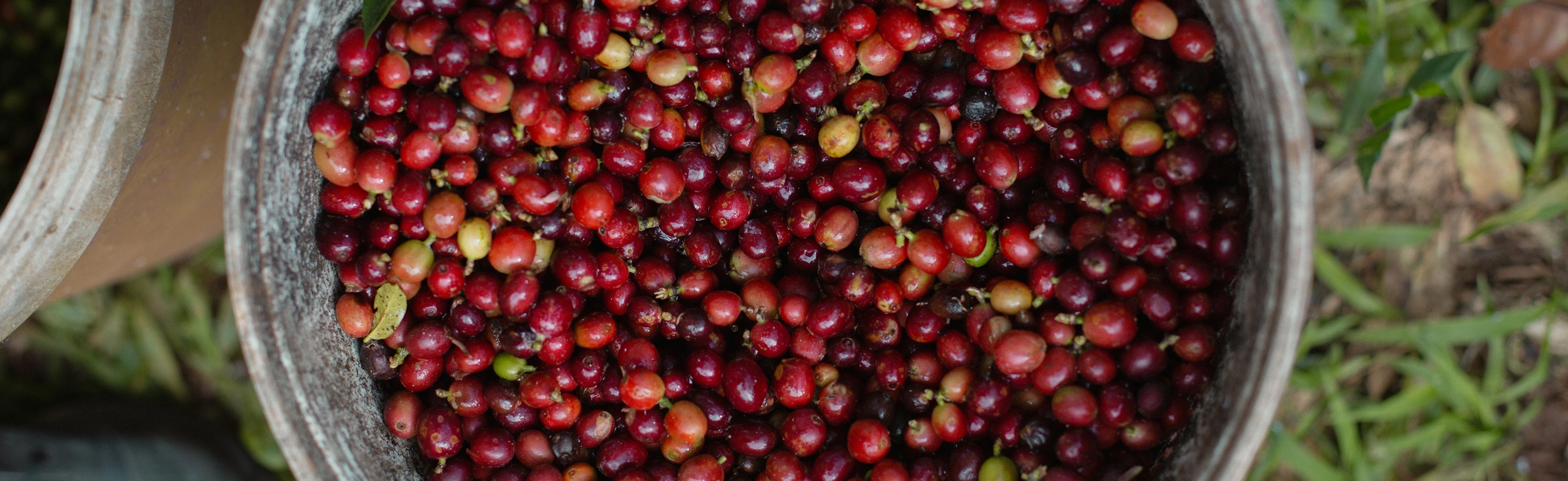
Common Roots

A shared sustainability initiative bridging responsible sourcing and hospitality, built on the belief that good business and good impact aren't mutually exclusive.
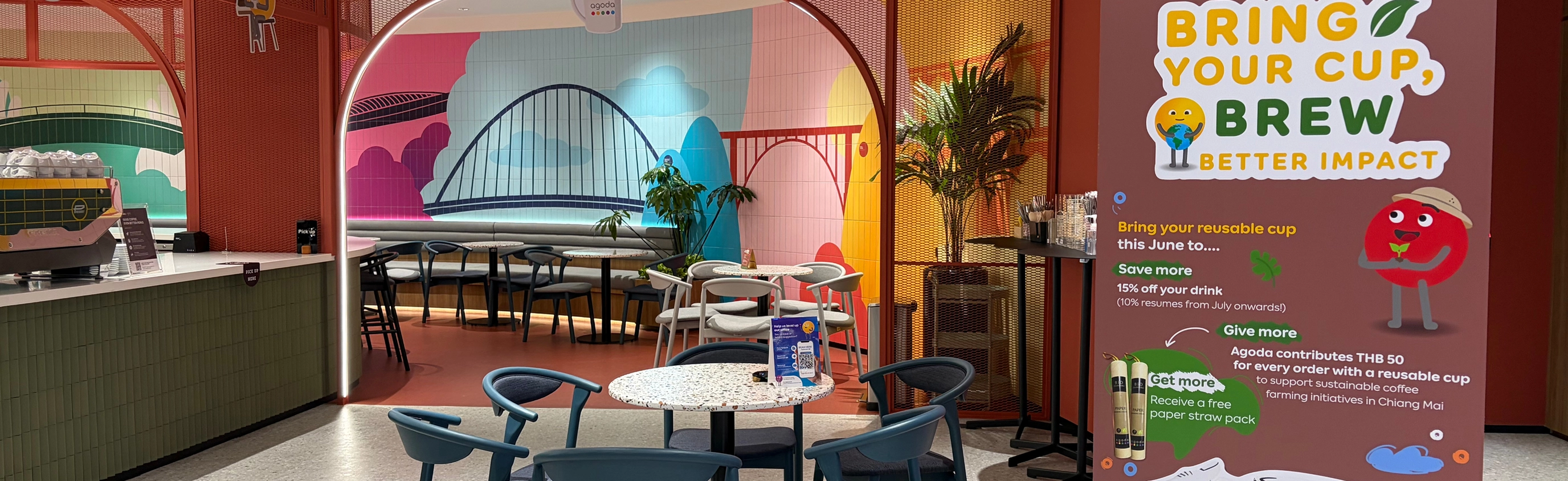
Agoda Sustainable Programme

Brewing sustainable beans, Bring Your Own Cup programme, and a direct bridge between the people booking travel and the farmers growing their coffee. Agoda customers and employees can make direct donations toward equipment purchases at Om Koi farm — reducing dependency on external supply chains and supporting long-term farming independence.
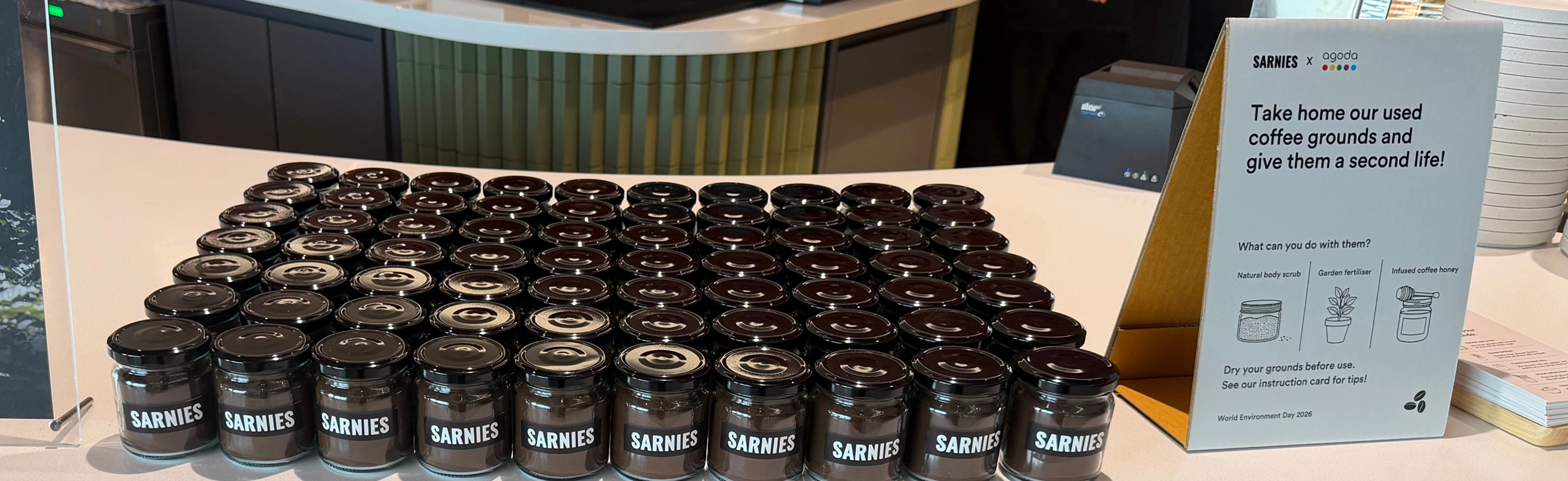
Agoda Grounds Return Programme

Brewing sustainable beans, Bring Your Own Cup programme, and a direct bridge between the people booking travel and the farmers growing their coffee. Agoda customers and employees can make direct donations toward equipment purchases at Om Koi farm — reducing dependency on external supply chains and supporting long-term farming independence.
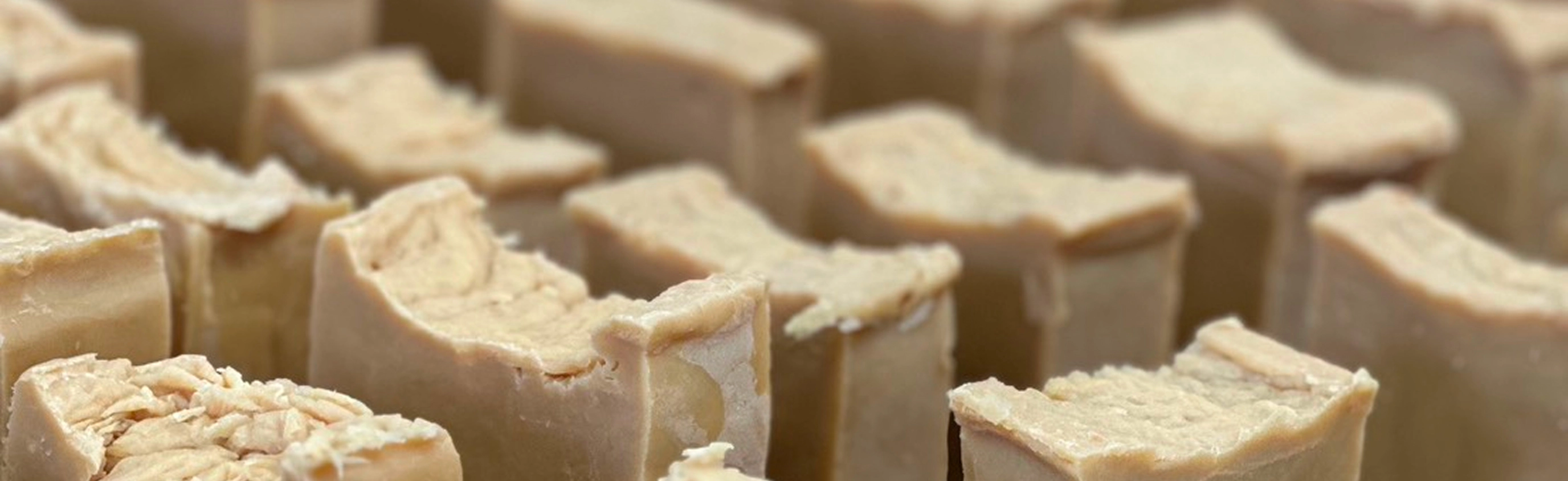
Soap Opera

Used cooking oil from our outlets is collected and transformed into soap — creating income opportunities for underserved communities and donating the finished product to those who need it most.

←
→

Built into our everyday

Big impact comes from our daily decisions — what we roast with, what we serve in, and what we do with what's left over.
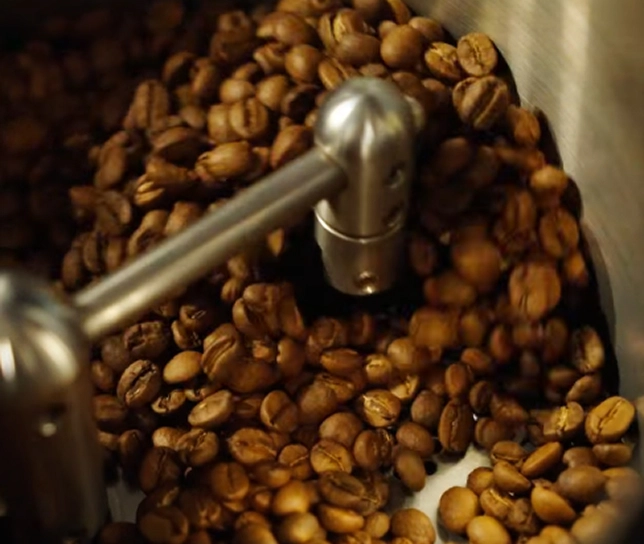
Electric roasting
We use electric roasting across our operations to cut emissions at the source, before the coffee reaches your cup.
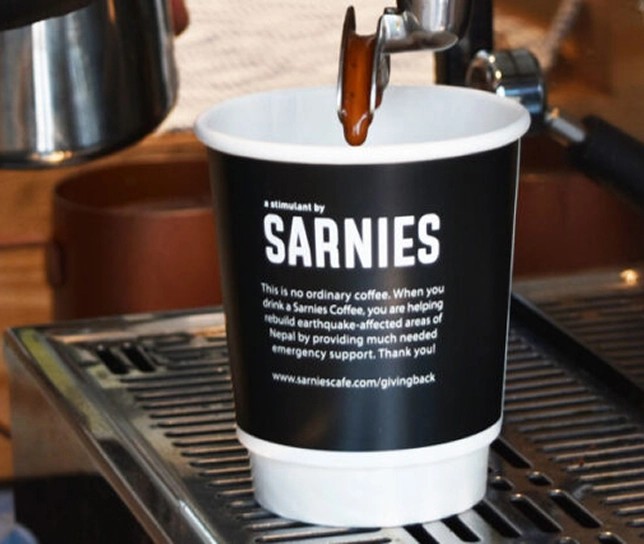
Paper over plastic
Every outlet runs on paper cups, not plastic. We track cups sold each month as a simple, honest measure of plastic kept out of circulation.
Compostable bags
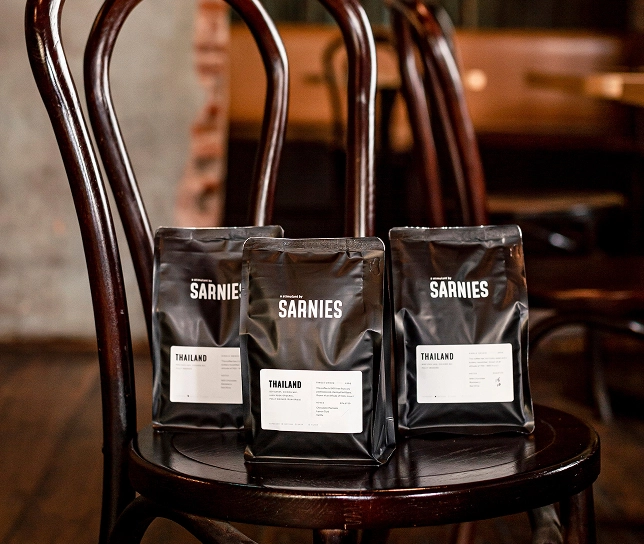
Our retail coffee comes in compostable bags and sustainable coffee packaging that's better for the shelf, and better for what comes after.
Tins built to last
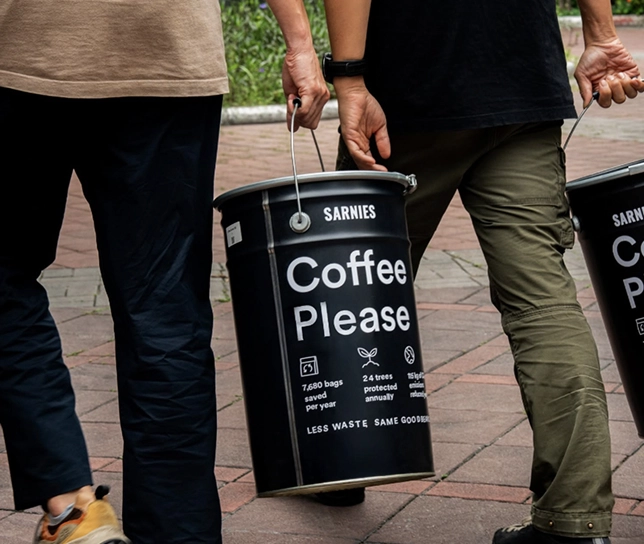
Our coffee tins are designed to be reused and refilled. Reusable packaging, not single-use.
Grounds to garden
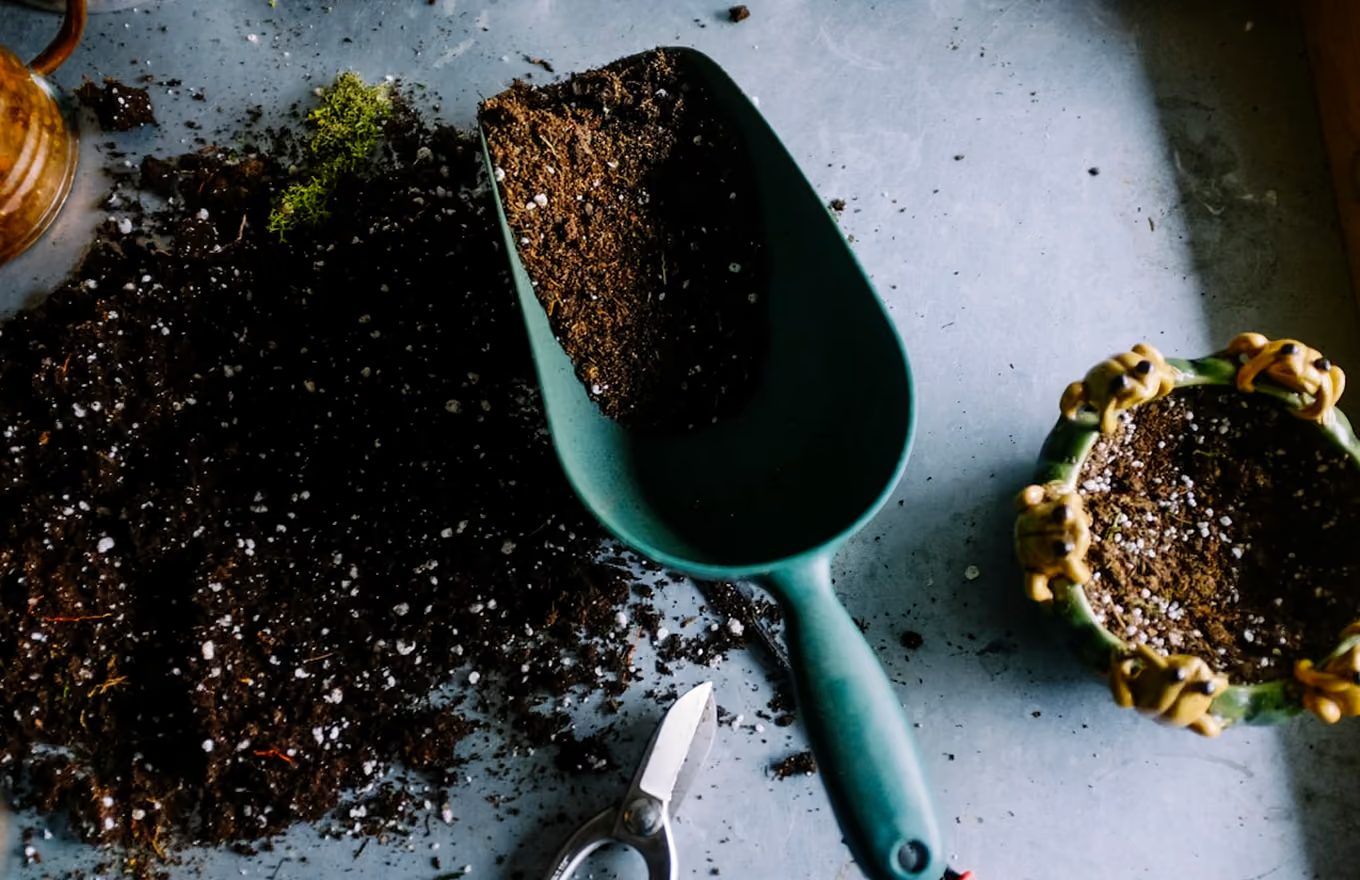
Used coffee grounds from our operations don't go to waste. We compost and direct them into urban gardens and farm projects.
←
→

What we're building next

Garden plot

Nonthaburi Facility

A working plot where we grow herbs and produce for the kitchens — fed by the compost from our spent grounds. It's small, it's real, and it teaches us what we ask of our farmers.
Rooftop garden

Sarnies Sourdough

Above the bakery, a rooftop we're slowly turning green — closing the seed → cup → soil loop in the middle of the city, one planter at a time.

Carry it forward

Contact us
‎ ↗